politics
80° Trending
BREAKING: US AND IRAN AGREE TO HISTORIC TWO-WEEK CEASEFIRE AS WORLD HOLDS ITS BREATH!
📅 2026-04-08
⏱️ 5 min read
ID: 1
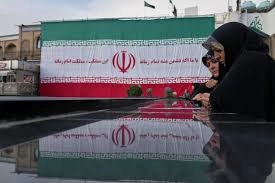
In a stunning development that has captivated global attention, the United States and Iran have reached a monumental two-week ceasefire agreement, marking a dramatic de-escalation in what many feared could become a catastrophic regional conflict. The announcement came late Tuesday night, sending shockwaves through international diplomatic circles and financial markets worldwide.
President Donald Trump made the explosive revelation during a nationally televised address, declaring that he would withdraw his previous threats to launch devastating military strikes against Iranian targets. The decision represents a significant pivot from the administration's earlier aggressive posture, which had included ominous warnings about potential attacks on civilian infrastructure including bridges, power plants, and other critical facilities.
The ceasefire agreement, brokered through intensive diplomatic channels, includes several key provisions that both sides have committed to honoring. Iran's Supreme National Security Council released an official statement confirming their acceptance of the two-week truce, with negotiations scheduled to begin in Islamabad starting Friday. However, Iranian officials were quick to emphasize that this cessation of hostilities does not signify an end to the broader conflict, maintaining that their military forces remain on high alert and prepared to respond to any perceived provocations.
The agreement specifically addresses the critical issue of the Strait of Hormuz, one of the world's most vital oil shipping lanes. Iran has committed to reopening this strategic waterway, which had been closed during the height of tensions, causing significant disruptions to global energy supplies and sending oil prices soaring to unprecedented levels. The reopening of the strait is expected to have immediate positive effects on international markets and could help stabilize fuel prices that have been volatile throughout the crisis.
International reactions to the ceasefire announcement have been mixed but generally positive. European leaders, who had been working frantically behind the scenes to mediate between the two nations, expressed cautious optimism about the development. The United Nations Secretary-General praised the agreement as a crucial first step toward a more comprehensive diplomatic solution, while urging both parties to use the two-week window to engage in meaningful dialogue.
Military analysts note that the ceasefire provides both sides with valuable time to reassess their positions and prepare for potential next steps. For the United States, the pause allows for a strategic review of military options and diplomatic alternatives. For Iran, it offers an opportunity to consolidate domestic support and engage in international diplomacy from a position of relative strength.
The human cost of the conflict, though limited in duration, has been significant. Civilian populations in both countries have endured days of uncertainty and fear, with many families separated by travel restrictions and communication blackouts. Humanitarian organizations are now mobilizing to provide assistance to affected communities and are calling for the ceasefire to be extended into a permanent peace agreement.
As the world watches and waits, the next two weeks will prove critical in determining whether this ceasefire represents a genuine turning point toward peace or merely a temporary pause in a longer, more dangerous confrontation. Diplomatic sources indicate that multiple countries, including traditional allies and unexpected mediators, are prepared to facilitate negotiations and help bridge the substantial gaps that remain between the two nations' positions.
President Donald Trump made the explosive revelation during a nationally televised address, declaring that he would withdraw his previous threats to launch devastating military strikes against Iranian targets. The decision represents a significant pivot from the administration's earlier aggressive posture, which had included ominous warnings about potential attacks on civilian infrastructure including bridges, power plants, and other critical facilities.
The ceasefire agreement, brokered through intensive diplomatic channels, includes several key provisions that both sides have committed to honoring. Iran's Supreme National Security Council released an official statement confirming their acceptance of the two-week truce, with negotiations scheduled to begin in Islamabad starting Friday. However, Iranian officials were quick to emphasize that this cessation of hostilities does not signify an end to the broader conflict, maintaining that their military forces remain on high alert and prepared to respond to any perceived provocations.
The agreement specifically addresses the critical issue of the Strait of Hormuz, one of the world's most vital oil shipping lanes. Iran has committed to reopening this strategic waterway, which had been closed during the height of tensions, causing significant disruptions to global energy supplies and sending oil prices soaring to unprecedented levels. The reopening of the strait is expected to have immediate positive effects on international markets and could help stabilize fuel prices that have been volatile throughout the crisis.
International reactions to the ceasefire announcement have been mixed but generally positive. European leaders, who had been working frantically behind the scenes to mediate between the two nations, expressed cautious optimism about the development. The United Nations Secretary-General praised the agreement as a crucial first step toward a more comprehensive diplomatic solution, while urging both parties to use the two-week window to engage in meaningful dialogue.
Military analysts note that the ceasefire provides both sides with valuable time to reassess their positions and prepare for potential next steps. For the United States, the pause allows for a strategic review of military options and diplomatic alternatives. For Iran, it offers an opportunity to consolidate domestic support and engage in international diplomacy from a position of relative strength.
The human cost of the conflict, though limited in duration, has been significant. Civilian populations in both countries have endured days of uncertainty and fear, with many families separated by travel restrictions and communication blackouts. Humanitarian organizations are now mobilizing to provide assistance to affected communities and are calling for the ceasefire to be extended into a permanent peace agreement.
As the world watches and waits, the next two weeks will prove critical in determining whether this ceasefire represents a genuine turning point toward peace or merely a temporary pause in a longer, more dangerous confrontation. Diplomatic sources indicate that multiple countries, including traditional allies and unexpected mediators, are prepared to facilitate negotiations and help bridge the substantial gaps that remain between the two nations' positions.