politics
80° Trending
MARKETS SURGE: Oil Prices PLUNGE And Stocks RALLY After Trump's Historic Ceasefire Announcement With Iran!
📅 2026-04-08
⏱️ 5 min read
ID: 19
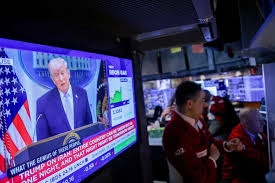
Global financial markets experienced a dramatic turnaround on Tuesday as oil prices plunged and stock markets rallied following President Donald Trump's announcement of a two-week ceasefire agreement with Iran. The development brought immediate relief to investors who had been on edge for weeks as tensions between the United States and Iran threatened to escalate into a broader regional conflict with potentially devastating economic consequences.
The ceasefire announcement, which came just hours before a critical deadline that could have triggered expanded military operations, represented a significant de-escalation in what had become one of the most dangerous confrontations in recent Middle Eastern history. Oil markets, which had been pricing in the risk of prolonged conflict and potential supply disruptions, responded immediately to the news with sharp declines.
Brent crude oil futures, the international benchmark, fell sharply in trading following the announcement, reversing gains that had pushed prices to multi-year highs during the height of the crisis. The decline reflected market optimism that the strategically vital Strait of Hormuz, through which approximately 20% of the world's oil supply passes, would soon reopen to normal traffic after being effectively blockaded during the conflict.
The Strait of Hormuz has been a focal point of the crisis, with Iran's closure of the waterway representing a direct threat to global energy supplies. The ceasefire agreement includes provisions for the reopening of the strait, which analysts say could quickly restore normal oil flows and ease supply concerns that have been driving prices higher.
Stock markets around the world responded positively to the de-escalation news. Major indices in Asia, Europe, and the Americas posted gains as investors welcomed the reduction in geopolitical risk. The rally reflected a broader shift in market sentiment from fear and uncertainty to cautious optimism about the prospects for a diplomatic resolution to the crisis.
However, analysts were quick to caution that significant uncertainties remain. While the ceasefire represents a positive development, questions persist about the longer-term outlook for US-Iran relations and the stability of the region. The two-week window for negotiations will be critical in determining whether this de-escalation leads to a lasting peace or merely represents a temporary pause in a longer conflict.
Energy analysts noted that the oil market's response reflects both the immediate relief about supply concerns and the recognition that the situation remains fluid. "The market is pricing in the best-case scenario right now," one analyst explained, "but there's still a lot of uncertainty about what happens next. The negotiations over the next two weeks will be crucial."
The economic implications of the ceasefire extend beyond oil markets. The conflict had created uncertainty for businesses around the world, with many companies reassessing their operations and supply chains in light of the geopolitical risks. The de-escalation provides some reassurance that the global economy may avoid a major shock, though analysts note that businesses will likely remain cautious until a more permanent resolution is achieved.
For consumers, the decline in oil prices could translate into lower gasoline prices in the coming weeks, providing some relief at the pump after prices had risen sharply during the crisis. However, energy experts caution that it takes time for changes in crude oil prices to filter through to retail gasoline prices, and the situation remains subject to change based on developments in the negotiations.
The financial markets' response to the ceasefire announcement underscores the interconnected nature of geopolitics and the global economy. What happens in the Middle East can have immediate and significant impacts on markets around the world, affecting everything from energy prices to stock valuations to currency exchange rates.
As negotiations proceed over the next two weeks, market participants will be closely watching for signs of progress or setbacks. The outcome of these talks will likely determine whether the current market rally represents the beginning of a sustained recovery or merely a temporary reprieve in a longer period of uncertainty and volatility.
The ceasefire announcement, which came just hours before a critical deadline that could have triggered expanded military operations, represented a significant de-escalation in what had become one of the most dangerous confrontations in recent Middle Eastern history. Oil markets, which had been pricing in the risk of prolonged conflict and potential supply disruptions, responded immediately to the news with sharp declines.
Brent crude oil futures, the international benchmark, fell sharply in trading following the announcement, reversing gains that had pushed prices to multi-year highs during the height of the crisis. The decline reflected market optimism that the strategically vital Strait of Hormuz, through which approximately 20% of the world's oil supply passes, would soon reopen to normal traffic after being effectively blockaded during the conflict.
The Strait of Hormuz has been a focal point of the crisis, with Iran's closure of the waterway representing a direct threat to global energy supplies. The ceasefire agreement includes provisions for the reopening of the strait, which analysts say could quickly restore normal oil flows and ease supply concerns that have been driving prices higher.
Stock markets around the world responded positively to the de-escalation news. Major indices in Asia, Europe, and the Americas posted gains as investors welcomed the reduction in geopolitical risk. The rally reflected a broader shift in market sentiment from fear and uncertainty to cautious optimism about the prospects for a diplomatic resolution to the crisis.
However, analysts were quick to caution that significant uncertainties remain. While the ceasefire represents a positive development, questions persist about the longer-term outlook for US-Iran relations and the stability of the region. The two-week window for negotiations will be critical in determining whether this de-escalation leads to a lasting peace or merely represents a temporary pause in a longer conflict.
Energy analysts noted that the oil market's response reflects both the immediate relief about supply concerns and the recognition that the situation remains fluid. "The market is pricing in the best-case scenario right now," one analyst explained, "but there's still a lot of uncertainty about what happens next. The negotiations over the next two weeks will be crucial."
The economic implications of the ceasefire extend beyond oil markets. The conflict had created uncertainty for businesses around the world, with many companies reassessing their operations and supply chains in light of the geopolitical risks. The de-escalation provides some reassurance that the global economy may avoid a major shock, though analysts note that businesses will likely remain cautious until a more permanent resolution is achieved.
For consumers, the decline in oil prices could translate into lower gasoline prices in the coming weeks, providing some relief at the pump after prices had risen sharply during the crisis. However, energy experts caution that it takes time for changes in crude oil prices to filter through to retail gasoline prices, and the situation remains subject to change based on developments in the negotiations.
The financial markets' response to the ceasefire announcement underscores the interconnected nature of geopolitics and the global economy. What happens in the Middle East can have immediate and significant impacts on markets around the world, affecting everything from energy prices to stock valuations to currency exchange rates.
As negotiations proceed over the next two weeks, market participants will be closely watching for signs of progress or setbacks. The outcome of these talks will likely determine whether the current market rally represents the beginning of a sustained recovery or merely a temporary reprieve in a longer period of uncertainty and volatility.