politics
80° Trending
WALL STREET EXPLODES: Dow Futures JUMP 900 POINTS As Trump Suspends Iran Attacks In Stunning Late-Night Announcement!
📅 2026-04-08
⏱️ 5 min read
ID: 20
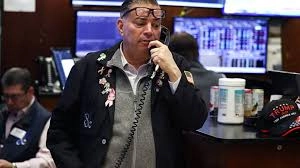
U.S. stock futures exploded higher in after-hours trading on Tuesday as President Donald Trump announced a dramatic suspension of military attacks on Iran for two weeks, just hours before a critical deadline that had threatened to expand the conflict into a broader regional war. The Dow Jones Industrial Average futures surged approximately 900 points, signaling what could be one of the most significant single-day rallies in recent market history when regular trading resumes.
The announcement, which came shortly before the 8 p.m. ET deadline Trump had set for Iran to meet his demands, represented a stunning de-escalation in a crisis that had gripped global markets for weeks. The five-week conflict had closed the strategically vital Strait of Hormuz, through which approximately 20% of the world's oil supply passes, sending shockwaves through energy markets and creating uncertainty across the global economy.
The futures market's explosive response reflected the dramatic shift in investor sentiment. For weeks, markets had been pricing in the risk of an expanded conflict, with stock prices declining and volatility measures rising as investors sought safe-haven assets. The ceasefire announcement reversed that dynamic almost instantly, with investors rushing to position themselves for what they hope will be a sustained period of de-escalation and economic stability.
The 900-point surge in Dow futures represents one of the largest after-hours moves in recent memory, underscoring the significance of the geopolitical development. If the gains hold when regular trading begins, it would mark one of the most dramatic single-day rallies in the history of the Dow Jones Industrial Average, erasing much of the losses that had accumulated during the period of heightened tensions.
Oil markets responded with equal drama, with crude oil prices tumbling on the news. The decline reflected expectations that the Strait of Hormuz would soon reopen to normal traffic, easing supply concerns that had pushed oil prices to multi-year highs. For consumers, the drop in oil prices could translate into lower gasoline prices in the coming weeks, providing relief after prices had surged during the crisis.
The market reaction underscores the profound impact that geopolitical events can have on financial markets. The conflict with Iran had created a cloud of uncertainty over the global economy, with businesses and investors struggling to assess the potential implications of an expanded war in the Middle East. The ceasefire announcement removed much of that uncertainty, at least for the immediate future.
However, analysts and market strategists were quick to caution that significant uncertainties remain. The two-week suspension of attacks is not a permanent peace agreement, and the outcome of negotiations during this period will be critical in determining whether the de-escalation leads to a lasting resolution or merely represents a temporary pause in a longer conflict.
"The market is clearly celebrating the de-escalation, and rightfully so," one market strategist explained. "But investors should remember that this is a two-week window, not a permanent solution. A lot can happen in two weeks, and if negotiations break down, we could see a return to the volatility and uncertainty that has characterized markets during this crisis."
The broader economic implications of the ceasefire are significant. The conflict had raised concerns about inflation, supply chains, and consumer confidence, all of which could be affected by developments in the Middle East. The de-escalation provides some reassurance that the global economy may avoid a major shock, though economists note that the situation remains fluid.
For the Federal Reserve and other central banks, the ceasefire announcement may influence monetary policy decisions. The conflict had added a layer of uncertainty to an already complex economic environment, and the de-escalation could provide policymakers with more flexibility in addressing other economic challenges.
As markets prepare for what could be a volatile trading session, investors will be closely watching for any additional developments in the negotiations between the United States and Iran. The next two weeks will be critical in determining whether this moment represents a turning point toward peace or merely a temporary respite in a longer, more dangerous confrontation.
The announcement, which came shortly before the 8 p.m. ET deadline Trump had set for Iran to meet his demands, represented a stunning de-escalation in a crisis that had gripped global markets for weeks. The five-week conflict had closed the strategically vital Strait of Hormuz, through which approximately 20% of the world's oil supply passes, sending shockwaves through energy markets and creating uncertainty across the global economy.
The futures market's explosive response reflected the dramatic shift in investor sentiment. For weeks, markets had been pricing in the risk of an expanded conflict, with stock prices declining and volatility measures rising as investors sought safe-haven assets. The ceasefire announcement reversed that dynamic almost instantly, with investors rushing to position themselves for what they hope will be a sustained period of de-escalation and economic stability.
The 900-point surge in Dow futures represents one of the largest after-hours moves in recent memory, underscoring the significance of the geopolitical development. If the gains hold when regular trading begins, it would mark one of the most dramatic single-day rallies in the history of the Dow Jones Industrial Average, erasing much of the losses that had accumulated during the period of heightened tensions.
Oil markets responded with equal drama, with crude oil prices tumbling on the news. The decline reflected expectations that the Strait of Hormuz would soon reopen to normal traffic, easing supply concerns that had pushed oil prices to multi-year highs. For consumers, the drop in oil prices could translate into lower gasoline prices in the coming weeks, providing relief after prices had surged during the crisis.
The market reaction underscores the profound impact that geopolitical events can have on financial markets. The conflict with Iran had created a cloud of uncertainty over the global economy, with businesses and investors struggling to assess the potential implications of an expanded war in the Middle East. The ceasefire announcement removed much of that uncertainty, at least for the immediate future.
However, analysts and market strategists were quick to caution that significant uncertainties remain. The two-week suspension of attacks is not a permanent peace agreement, and the outcome of negotiations during this period will be critical in determining whether the de-escalation leads to a lasting resolution or merely represents a temporary pause in a longer conflict.
"The market is clearly celebrating the de-escalation, and rightfully so," one market strategist explained. "But investors should remember that this is a two-week window, not a permanent solution. A lot can happen in two weeks, and if negotiations break down, we could see a return to the volatility and uncertainty that has characterized markets during this crisis."
The broader economic implications of the ceasefire are significant. The conflict had raised concerns about inflation, supply chains, and consumer confidence, all of which could be affected by developments in the Middle East. The de-escalation provides some reassurance that the global economy may avoid a major shock, though economists note that the situation remains fluid.
For the Federal Reserve and other central banks, the ceasefire announcement may influence monetary policy decisions. The conflict had added a layer of uncertainty to an already complex economic environment, and the de-escalation could provide policymakers with more flexibility in addressing other economic challenges.
As markets prepare for what could be a volatile trading session, investors will be closely watching for any additional developments in the negotiations between the United States and Iran. The next two weeks will be critical in determining whether this moment represents a turning point toward peace or merely a temporary respite in a longer, more dangerous confrontation.