politics
80° Trending
OIL MARKET IN FREEFALL: Prices PLUNGE As Trump Agrees To Historic Two-Week Ceasefire With Iran!
📅 2026-04-08
⏱️ 5 min read
ID: 21
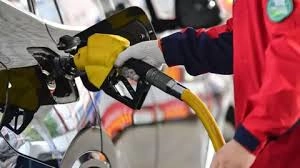
Global oil markets experienced a dramatic selloff on Tuesday as prices slid sharply following President Donald Trump's announcement of a conditional two-week ceasefire agreement with Iran. The development brought immediate relief to energy markets that had been on edge for weeks amid fears of prolonged conflict and potential supply disruptions in one of the world's most critical oil transit routes.
The ceasefire agreement, which includes provisions for reopening the strategically vital Strait of Hormuz, represents a significant de-escalation in what had become one of the most dangerous confrontations in recent Middle Eastern history. The waterway, through which approximately 20% of the world's oil supply passes, had been effectively closed during the conflict, creating supply concerns that had pushed oil prices to multi-year highs.
Benchmark Brent crude oil futures fell sharply in trading following the announcement, reversing gains that had accumulated during the height of the crisis. The decline reflected market optimism that normal oil flows through the Strait of Hormuz would soon resume, easing the supply concerns that have been driving prices higher for weeks.
The price movement was particularly dramatic given the context of the preceding weeks. Oil prices had been extremely volatile as investors struggled to assess the potential implications of an expanded conflict between the United States and Iran. The threat of prolonged closure of the Strait of Hormuz had created genuine fears about global energy security, with analysts warning of potential supply shortages and economic disruption.
The conditional nature of the ceasefire adds an element of uncertainty to the market outlook. While the agreement represents a positive step toward de-escalation, the two-week window for negotiations means that the situation remains fluid. Oil traders will be closely monitoring developments in the talks between the United States and Iran, with any signs of progress or setbacks likely to influence prices.
The reopening of the Strait of Hormuz is particularly significant for global oil markets. The waterway is the primary transit route for oil exports from major Persian Gulf producers, including Saudi Arabia, Iraq, Kuwait, and the United Arab Emirates. The closure had forced some exporters to seek alternative routes, though these options are limited in capacity and more costly to utilize.
For oil-importing countries, the de-escalation provides welcome relief from the supply concerns that had been building. Many nations had been preparing contingency plans for potential oil shortages, including releasing strategic petroleum reserves and seeking alternative suppliers. The ceasefire announcement reduces the immediate pressure on these countries, though officials note that the situation remains subject to change based on developments in the negotiations.
The impact of lower oil prices extends beyond energy markets to the broader global economy. High oil prices act as a tax on consumers and businesses, reducing disposable income and increasing production costs. The decline in prices could provide a modest boost to economic growth, particularly in oil-importing nations that had been feeling the pinch of elevated energy costs.
However, analysts caution that the oil market's response may be premature in pricing in a complete resolution to the crisis. The two-week ceasefire is not a permanent peace agreement, and significant differences remain between the United States and Iran on a range of issues. The negotiations will be challenging, and there is no guarantee that they will lead to a lasting resolution.
Energy market participants will be watching closely for any signs of progress in the negotiations, as well as for indications that the Strait of Hormuz is indeed reopening to normal traffic. The speed and extent of the resumption of oil flows through the waterway will be a key factor in determining whether the current price decline represents a sustainable trend or merely a temporary reprieve.
As the situation continues to evolve, the oil market's response underscores the interconnected nature of geopolitics and global energy supplies. Events in the Middle East can have immediate and significant impacts on prices around the world, affecting everything from gasoline costs to industrial production to consumer spending.
The ceasefire agreement, which includes provisions for reopening the strategically vital Strait of Hormuz, represents a significant de-escalation in what had become one of the most dangerous confrontations in recent Middle Eastern history. The waterway, through which approximately 20% of the world's oil supply passes, had been effectively closed during the conflict, creating supply concerns that had pushed oil prices to multi-year highs.
Benchmark Brent crude oil futures fell sharply in trading following the announcement, reversing gains that had accumulated during the height of the crisis. The decline reflected market optimism that normal oil flows through the Strait of Hormuz would soon resume, easing the supply concerns that have been driving prices higher for weeks.
The price movement was particularly dramatic given the context of the preceding weeks. Oil prices had been extremely volatile as investors struggled to assess the potential implications of an expanded conflict between the United States and Iran. The threat of prolonged closure of the Strait of Hormuz had created genuine fears about global energy security, with analysts warning of potential supply shortages and economic disruption.
The conditional nature of the ceasefire adds an element of uncertainty to the market outlook. While the agreement represents a positive step toward de-escalation, the two-week window for negotiations means that the situation remains fluid. Oil traders will be closely monitoring developments in the talks between the United States and Iran, with any signs of progress or setbacks likely to influence prices.
The reopening of the Strait of Hormuz is particularly significant for global oil markets. The waterway is the primary transit route for oil exports from major Persian Gulf producers, including Saudi Arabia, Iraq, Kuwait, and the United Arab Emirates. The closure had forced some exporters to seek alternative routes, though these options are limited in capacity and more costly to utilize.
For oil-importing countries, the de-escalation provides welcome relief from the supply concerns that had been building. Many nations had been preparing contingency plans for potential oil shortages, including releasing strategic petroleum reserves and seeking alternative suppliers. The ceasefire announcement reduces the immediate pressure on these countries, though officials note that the situation remains subject to change based on developments in the negotiations.
The impact of lower oil prices extends beyond energy markets to the broader global economy. High oil prices act as a tax on consumers and businesses, reducing disposable income and increasing production costs. The decline in prices could provide a modest boost to economic growth, particularly in oil-importing nations that had been feeling the pinch of elevated energy costs.
However, analysts caution that the oil market's response may be premature in pricing in a complete resolution to the crisis. The two-week ceasefire is not a permanent peace agreement, and significant differences remain between the United States and Iran on a range of issues. The negotiations will be challenging, and there is no guarantee that they will lead to a lasting resolution.
Energy market participants will be watching closely for any signs of progress in the negotiations, as well as for indications that the Strait of Hormuz is indeed reopening to normal traffic. The speed and extent of the resumption of oil flows through the waterway will be a key factor in determining whether the current price decline represents a sustainable trend or merely a temporary reprieve.
As the situation continues to evolve, the oil market's response underscores the interconnected nature of geopolitics and global energy supplies. Events in the Middle East can have immediate and significant impacts on prices around the world, affecting everything from gasoline costs to industrial production to consumer spending.