politics
80° Trending
MORAL CRISIS: Trump's Threats To Bomb Civilian Targets Put US Military In Unprecedented Legal And Ethical Nightmare!
📅 2026-04-08
⏱️ 5 min read
ID: 22
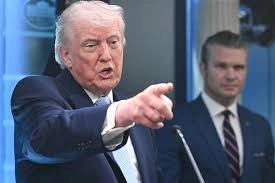
President Donald Trump's explicit threats to bomb "all" of Iran's bridges and power plants have plunged the United States military into an unprecedented legal and moral quandary, raising profound questions about the laws of armed conflict, the chain of command, and the ethical obligations of military personnel when faced with orders that may constitute war crimes. The situation represents one of the most serious constitutional and moral crises in modern American military history.
The controversy began when Trump publicly threatened to target Iranian civilian infrastructure unless Iran met his demands regarding the Strait of Hormuz. The threats specifically mentioned bridges and power plants - facilities that serve civilian populations and are generally protected under international humanitarian law. Military lawyers and legal scholars immediately raised concerns that such attacks could violate the Geneva Conventions and other international agreements governing the conduct of warfare.
Throughout Monday, President Trump dodged questions from reporters about whether his threats would amount to war crimes. When pressed on the legal and moral implications of targeting civilian infrastructure, Trump rejected the premise entirely, arguing that Iran's leaders were "animals" who needed to be stopped. The dehumanizing language and dismissal of legal concerns only intensified the anxiety within military circles.
The situation escalated further on Tuesday morning when Trump doubled down on his threats, reinforcing the possibility that the United States might carry out attacks on civilian targets. For military commanders and legal advisors, this created an impossible situation: how to reconcile their duty to follow lawful orders with their obligation to refuse orders that would constitute war crimes.
Under the Uniform Code of Military Justice and established military law, service members have a duty to obey lawful orders but also an obligation to refuse unlawful orders. The question of what constitutes an unlawful order is complex, but orders to attack civilian objects without a legitimate military justification would almost certainly qualify. The problem is that the determination of legality often must be made in real-time, under pressure, with incomplete information.
The legal principles at stake are fundamental to the laws of armed conflict. The principle of distinction requires parties to a conflict to distinguish between military objectives and civilian objects, directing attacks only against the former. The principle of proportionality prohibits attacks that would cause civilian harm excessive in relation to the anticipated military advantage. Targeting bridges and power plants that serve civilian populations would raise serious questions under both principles.
Military lawyers have been working around the clock to provide guidance to commanders about the legal constraints on potential operations. The challenge is that the legal analysis depends heavily on the specific facts of each potential target and the military necessity of attacking it. Blanket threats to attack "all" bridges and power plants do not allow for the kind of case-by-case analysis that international law requires.
The moral dimension of the crisis is equally challenging. Military personnel are trained to follow orders and trust in the chain of command, but they are also instilled with values of honor, integrity, and respect for human life. The prospect of being ordered to carry out attacks that could harm large numbers of civilians creates a profound moral conflict that goes to the heart of military professionalism.
The situation has also raised concerns about the precedent being set. If the United States, which has long positioned itself as a champion of international law and humanitarian principles, were to carry out attacks on civilian infrastructure, it would undermine the global norms that protect civilians in armed conflict. Other nations could point to American actions to justify their own attacks on civilian targets.
The crisis has prompted intense discussions within the Pentagon and throughout the military chain of command about how to handle potential orders that might be unlawful. Some legal scholars have suggested that military personnel should be prepared to refuse such orders, while others argue that the proper course is to seek clarification and legal review before proceeding.
The announcement of a two-week ceasefire has temporarily eased the immediate pressure, but the underlying legal and moral questions remain unresolved. The crisis has exposed the fragility of the norms that govern the conduct of warfare and the challenges that arise when political rhetoric collides with legal and ethical obligations.
As the situation continues to evolve, the military's response to this crisis will be closely watched by legal scholars, military professionals, and the international community. The decisions made in the coming days and weeks could have lasting implications for military law, the laws of armed conflict, and the moral foundations of American military power.
The controversy began when Trump publicly threatened to target Iranian civilian infrastructure unless Iran met his demands regarding the Strait of Hormuz. The threats specifically mentioned bridges and power plants - facilities that serve civilian populations and are generally protected under international humanitarian law. Military lawyers and legal scholars immediately raised concerns that such attacks could violate the Geneva Conventions and other international agreements governing the conduct of warfare.
Throughout Monday, President Trump dodged questions from reporters about whether his threats would amount to war crimes. When pressed on the legal and moral implications of targeting civilian infrastructure, Trump rejected the premise entirely, arguing that Iran's leaders were "animals" who needed to be stopped. The dehumanizing language and dismissal of legal concerns only intensified the anxiety within military circles.
The situation escalated further on Tuesday morning when Trump doubled down on his threats, reinforcing the possibility that the United States might carry out attacks on civilian targets. For military commanders and legal advisors, this created an impossible situation: how to reconcile their duty to follow lawful orders with their obligation to refuse orders that would constitute war crimes.
Under the Uniform Code of Military Justice and established military law, service members have a duty to obey lawful orders but also an obligation to refuse unlawful orders. The question of what constitutes an unlawful order is complex, but orders to attack civilian objects without a legitimate military justification would almost certainly qualify. The problem is that the determination of legality often must be made in real-time, under pressure, with incomplete information.
The legal principles at stake are fundamental to the laws of armed conflict. The principle of distinction requires parties to a conflict to distinguish between military objectives and civilian objects, directing attacks only against the former. The principle of proportionality prohibits attacks that would cause civilian harm excessive in relation to the anticipated military advantage. Targeting bridges and power plants that serve civilian populations would raise serious questions under both principles.
Military lawyers have been working around the clock to provide guidance to commanders about the legal constraints on potential operations. The challenge is that the legal analysis depends heavily on the specific facts of each potential target and the military necessity of attacking it. Blanket threats to attack "all" bridges and power plants do not allow for the kind of case-by-case analysis that international law requires.
The moral dimension of the crisis is equally challenging. Military personnel are trained to follow orders and trust in the chain of command, but they are also instilled with values of honor, integrity, and respect for human life. The prospect of being ordered to carry out attacks that could harm large numbers of civilians creates a profound moral conflict that goes to the heart of military professionalism.
The situation has also raised concerns about the precedent being set. If the United States, which has long positioned itself as a champion of international law and humanitarian principles, were to carry out attacks on civilian infrastructure, it would undermine the global norms that protect civilians in armed conflict. Other nations could point to American actions to justify their own attacks on civilian targets.
The crisis has prompted intense discussions within the Pentagon and throughout the military chain of command about how to handle potential orders that might be unlawful. Some legal scholars have suggested that military personnel should be prepared to refuse such orders, while others argue that the proper course is to seek clarification and legal review before proceeding.
The announcement of a two-week ceasefire has temporarily eased the immediate pressure, but the underlying legal and moral questions remain unresolved. The crisis has exposed the fragility of the norms that govern the conduct of warfare and the challenges that arise when political rhetoric collides with legal and ethical obligations.
As the situation continues to evolve, the military's response to this crisis will be closely watched by legal scholars, military professionals, and the international community. The decisions made in the coming days and weeks could have lasting implications for military law, the laws of armed conflict, and the moral foundations of American military power.