politics
80° Trending
CONGRESS IN CRISIS: Republicans SILENT As Trump Threatens To 'Eradicate Civilization' While Democrats Demand Removal!
📅 2026-04-08
⏱️ 5 min read
ID: 23
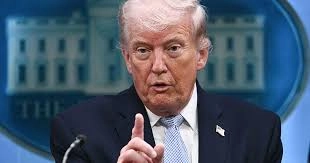
A profound constitutional crisis unfolded in Washington on Tuesday as the vast majority of Republican members of Congress remained silent in the face of President Donald Trump's extraordinary threat to "eradicate an entire civilization," while Democrats called for the president's removal from office. The stark partisan divide over one of the most alarming presidential statements in American history has raised fundamental questions about the state of American democracy and the system of checks and balances.
The crisis began in the hours between Trump's Monday night threat - warning that "an entire civilization will die tonight and never be resurrected" unless Iran agreed to open the Strait of Hormuz - and his Tuesday announcement of a two-week ceasefire. During that critical period, when the world held its breath wondering whether the United States would launch attacks that could kill millions of civilians, most Republican members of Congress said nothing.
The silence from the president's party was deafening and, to many observers, deeply troubling. The threat to eradicate an entire civilization represented rhetoric unprecedented in American presidential history, suggesting attacks that could amount to genocide. Yet with few exceptions, Republican senators and representatives declined to comment, declined to criticize, and declined to exercise the constitutional oversight role that Congress is supposed to play.
Rep. Nathaniel Moran of Texas emerged as one of the first Republicans in Congress to express concern about the president's rhetoric. "I do not support the destruction of 'an entire civilization,'" Moran stated. "That is not who we are, and it is not consistent with the principles that have long guided America." The congressman added that "how we protect the lives of the innocent is as important as how we confront the enemy."
Republican Senator Lisa Murkowski of Alaska also broke with the president, stating that Trump's threat "cannot be excused as an attempt to gain leverage in negotiations with Iran." She called on all parties to "reduce their unprecedented rampage before it is too late." But these voices were exceptions in a party that has largely fallen in line behind the president regardless of his words or actions.
On the Democratic side, the response was dramatically different. Multiple Democratic members of Congress called for Trump's removal from office, arguing that his threats demonstrated that he was unfit to hold the presidency. The calls ranged from impeachment to invocation of the 25th Amendment, which provides for the removal of a president who is unable to discharge the duties of the office.
The partisan divide over the president's threat reflects the broader polarization that has characterized American politics in recent years. For many Republicans, any criticism of the president is seen as disloyalty to the party, while for many Democrats, Trump's rhetoric is viewed as further evidence of his unfitness for office. The result is a political system that seems increasingly unable to respond to constitutional crises.
The situation has raised serious questions about the role of Congress in checking presidential power. The Constitution gives Congress the power to declare war and provides mechanisms for removing a president who abuses his authority. But these constitutional tools are only effective if there is political will to use them. The silence from most Republicans suggests that party loyalty may be taking precedence over constitutional duty.
The contrast with previous eras of American history is striking. During the Vietnam War, members of both parties questioned presidential war-making authority. During the Watergate scandal, Republican senators joined Democrats in holding President Nixon accountable. The current situation, where one party largely refuses to criticize even the most extreme presidential rhetoric, represents a departure from these historical precedents.
The crisis has also highlighted the challenges facing the American political system in an era of extreme polarization. The Founding Fathers designed a system of checks and balances based on the assumption that different branches of government would guard their institutional prerogatives. But if party loyalty supersedes institutional loyalty, the system may not function as intended.
As the situation with Iran continues to evolve, the response of Congress will be closely watched by the American public and the international community. The decisions made in the coming days and weeks could have lasting implications for American democracy, the balance of powers, and the ability of the political system to respond to genuine crises.
The crisis began in the hours between Trump's Monday night threat - warning that "an entire civilization will die tonight and never be resurrected" unless Iran agreed to open the Strait of Hormuz - and his Tuesday announcement of a two-week ceasefire. During that critical period, when the world held its breath wondering whether the United States would launch attacks that could kill millions of civilians, most Republican members of Congress said nothing.
The silence from the president's party was deafening and, to many observers, deeply troubling. The threat to eradicate an entire civilization represented rhetoric unprecedented in American presidential history, suggesting attacks that could amount to genocide. Yet with few exceptions, Republican senators and representatives declined to comment, declined to criticize, and declined to exercise the constitutional oversight role that Congress is supposed to play.
Rep. Nathaniel Moran of Texas emerged as one of the first Republicans in Congress to express concern about the president's rhetoric. "I do not support the destruction of 'an entire civilization,'" Moran stated. "That is not who we are, and it is not consistent with the principles that have long guided America." The congressman added that "how we protect the lives of the innocent is as important as how we confront the enemy."
Republican Senator Lisa Murkowski of Alaska also broke with the president, stating that Trump's threat "cannot be excused as an attempt to gain leverage in negotiations with Iran." She called on all parties to "reduce their unprecedented rampage before it is too late." But these voices were exceptions in a party that has largely fallen in line behind the president regardless of his words or actions.
On the Democratic side, the response was dramatically different. Multiple Democratic members of Congress called for Trump's removal from office, arguing that his threats demonstrated that he was unfit to hold the presidency. The calls ranged from impeachment to invocation of the 25th Amendment, which provides for the removal of a president who is unable to discharge the duties of the office.
The partisan divide over the president's threat reflects the broader polarization that has characterized American politics in recent years. For many Republicans, any criticism of the president is seen as disloyalty to the party, while for many Democrats, Trump's rhetoric is viewed as further evidence of his unfitness for office. The result is a political system that seems increasingly unable to respond to constitutional crises.
The situation has raised serious questions about the role of Congress in checking presidential power. The Constitution gives Congress the power to declare war and provides mechanisms for removing a president who abuses his authority. But these constitutional tools are only effective if there is political will to use them. The silence from most Republicans suggests that party loyalty may be taking precedence over constitutional duty.
The contrast with previous eras of American history is striking. During the Vietnam War, members of both parties questioned presidential war-making authority. During the Watergate scandal, Republican senators joined Democrats in holding President Nixon accountable. The current situation, where one party largely refuses to criticize even the most extreme presidential rhetoric, represents a departure from these historical precedents.
The crisis has also highlighted the challenges facing the American political system in an era of extreme polarization. The Founding Fathers designed a system of checks and balances based on the assumption that different branches of government would guard their institutional prerogatives. But if party loyalty supersedes institutional loyalty, the system may not function as intended.
As the situation with Iran continues to evolve, the response of Congress will be closely watched by the American public and the international community. The decisions made in the coming days and weeks could have lasting implications for American democracy, the balance of powers, and the ability of the political system to respond to genuine crises.