politics
80° Trending
WORLD ON EDGE: Trump Announces Historic Two-Week Ceasefire With Iran As High-Stakes Negotiations Set To Begin!
📅 2026-04-08
⏱️ 5 min read
ID: 3
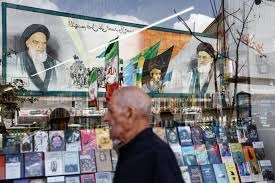
The international community breathed a collective sigh of relief as President Donald Trump announced a groundbreaking two-week ceasefire agreement with Iran, marking a dramatic turn in what had been an increasingly dangerous confrontation between two of the world's most powerful nations. The announcement, made during a hastily arranged address from the Oval Office, signaled a potential path away from military conflict and toward diplomatic resolution.
The ceasefire agreement represents the culmination of intense behind-the-scenes negotiations involving multiple countries and international organizations. Diplomatic sources reveal that several nations played crucial roles in facilitating communication between Washington and Tehran, helping to bridge what had seemed like an unbridgeable gap between the two adversaries. The agreement specifically calls for the reopening of the strategically vital Strait of Hormuz, a move that is expected to have immediate positive impacts on global oil markets and international trade.
Iranian officials, speaking through official channels, confirmed their acceptance of the ceasefire terms while emphasizing that the agreement does not represent a permanent end to hostilities. The Iranian Supreme National Security Council issued a statement declaring that negotiations with the United States would commence in Islamabad beginning Friday, with both sides expected to present their demands and explore potential areas of compromise. However, Iranian military forces remain on high alert, with officials warning that any violation of the ceasefire terms would result in an immediate and forceful response.
The economic implications of the ceasefire have been immediate and significant. Global stock markets, which had been experiencing volatility due to the conflict, responded positively to the news with major indices posting gains in overnight trading. Oil prices, which had spiked to alarming levels during the height of tensions, began to stabilize as traders anticipated the reopening of critical shipping lanes through the Strait of Hormuz.
International leaders from Europe, Asia, and the Middle East have welcomed the ceasefire announcement, with many expressing hope that the two-week window will provide sufficient time for substantive diplomatic progress. The United Nations Secretary-General issued a statement praising both parties for choosing dialogue over destruction and urged them to use this opportunity to address the underlying issues that led to the crisis.
Military analysts note that both the United States and Iran have significant incentives to make the ceasefire work. For the United States, the agreement provides an opportunity to de-escalate without appearing weak, while for Iran, it offers a chance to engage with the international community from a position of relative strength following weeks of defiant rhetoric and military posturing.
The human dimension of the conflict has not been overlooked, with humanitarian organizations calling for the ceasefire to be used as an opportunity to address the needs of civilians affected by the crisis. Reports of shortages of essential supplies in some areas and the psychological toll on populations living under the threat of war have prompted calls for immediate humanitarian assistance.
As the countdown to Friday's negotiations begins, the world watches with a mixture of hope and apprehension. The next two weeks will be critical in determining whether this ceasefire represents a genuine turning point toward peace or merely a temporary pause in a longer, more dangerous confrontation. The stakes could not be higher, with the potential for either a historic diplomatic breakthrough or a return to the brink of war.
The ceasefire agreement represents the culmination of intense behind-the-scenes negotiations involving multiple countries and international organizations. Diplomatic sources reveal that several nations played crucial roles in facilitating communication between Washington and Tehran, helping to bridge what had seemed like an unbridgeable gap between the two adversaries. The agreement specifically calls for the reopening of the strategically vital Strait of Hormuz, a move that is expected to have immediate positive impacts on global oil markets and international trade.
Iranian officials, speaking through official channels, confirmed their acceptance of the ceasefire terms while emphasizing that the agreement does not represent a permanent end to hostilities. The Iranian Supreme National Security Council issued a statement declaring that negotiations with the United States would commence in Islamabad beginning Friday, with both sides expected to present their demands and explore potential areas of compromise. However, Iranian military forces remain on high alert, with officials warning that any violation of the ceasefire terms would result in an immediate and forceful response.
The economic implications of the ceasefire have been immediate and significant. Global stock markets, which had been experiencing volatility due to the conflict, responded positively to the news with major indices posting gains in overnight trading. Oil prices, which had spiked to alarming levels during the height of tensions, began to stabilize as traders anticipated the reopening of critical shipping lanes through the Strait of Hormuz.
International leaders from Europe, Asia, and the Middle East have welcomed the ceasefire announcement, with many expressing hope that the two-week window will provide sufficient time for substantive diplomatic progress. The United Nations Secretary-General issued a statement praising both parties for choosing dialogue over destruction and urged them to use this opportunity to address the underlying issues that led to the crisis.
Military analysts note that both the United States and Iran have significant incentives to make the ceasefire work. For the United States, the agreement provides an opportunity to de-escalate without appearing weak, while for Iran, it offers a chance to engage with the international community from a position of relative strength following weeks of defiant rhetoric and military posturing.
The human dimension of the conflict has not been overlooked, with humanitarian organizations calling for the ceasefire to be used as an opportunity to address the needs of civilians affected by the crisis. Reports of shortages of essential supplies in some areas and the psychological toll on populations living under the threat of war have prompted calls for immediate humanitarian assistance.
As the countdown to Friday's negotiations begins, the world watches with a mixture of hope and apprehension. The next two weeks will be critical in determining whether this ceasefire represents a genuine turning point toward peace or merely a temporary pause in a longer, more dangerous confrontation. The stakes could not be higher, with the potential for either a historic diplomatic breakthrough or a return to the brink of war.