politics
80° Trending
POLITICAL FIRESTORM: House Democrat Launches Impeachment Push Against Defense Secretary Pete Hegseth Over Iran War!
📅 2026-04-08
⏱️ 5 min read
ID: 34
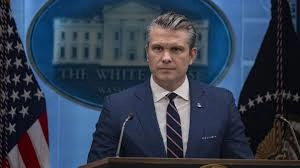
In a dramatic escalation of congressional oversight during a time of international crisis, a House Democrat has announced intentions to file articles of impeachment against Secretary of Defense Pete Hegseth, citing the ongoing conflict with Iran and alleging that the defense secretary has repeatedly violated his oath of office and his duty to the Constitution. The move represents one of the most serious challenges to a cabinet member in recent American history and highlights the deep divisions in Washington over the conduct of the Iran conflict.
The impeachment push comes at a critical moment in US-Iran relations, with the two nations having just agreed to a two-week ceasefire following weeks of escalating tensions that threatened to erupt into a broader regional war. The conflict has raised profound questions about the constitutional authority to wage war, the role of Congress in overseeing military operations, and the conduct of the civilian leadership at the Pentagon.
Representative Yassamin Ansari, Democrat of Arizona, announced her intention to file articles of impeachment, arguing that Hegseth has overstepped his authority and failed to uphold his constitutional obligations. "Only Congress has the power to declare war, not a rogue president or his lackeys," Ansari stated in a written announcement. "Hegseth's reckless endangerment of American service members and civilians, and his disregard for the Constitution, demand accountability."
The specific allegations against Hegseth center on his role in the Iran conflict, including the conduct of military operations without proper congressional authorization. Critics argue that the administration has exceeded the authority granted by existing Authorizations for Use of Military Force (AUMFs) and has effectively waged war without the declaration that the Constitution reserves to Congress. This represents a fundamental challenge to the separation of powers and the system of checks and balances that the Founding Fathers established.
The timing of the impeachment announcement is particularly notable, coming as the ceasefire with Iran provides a moment of relative calm in the crisis. Critics of the move argue that it represents political opportunism during a sensitive diplomatic moment, while supporters contend that accountability is essential regardless of the current state of the conflict. The debate reflects the broader tensions in American politics about the appropriate role of congressional oversight during military operations.
Pete Hegseth's tenure as Secretary of Defense has been controversial from the start. His confirmation was one of the closest in history for a defense secretary, reflecting concerns about his qualifications and his past statements about military policy. Since taking office, he has faced criticism from various quarters about his management of the Pentagon and his approach to military operations. The Iran conflict has intensified these criticisms, with opponents arguing that his leadership has been marked by recklessness and poor judgment.
The impeachment process for cabinet members is rare but not unprecedented. The Constitution provides for impeachment of "civil officers of the United States," which includes cabinet secretaries. The process mirrors that for presidential impeachment, beginning in the House of Representatives and, if approved, moving to the Senate for trial. However, the political reality is that impeachment of a cabinet member requires significant bipartisan support, which appears unlikely in the current polarized environment.
The announcement has drawn mixed reactions from across the political spectrum. Democrats have generally been supportive of increased oversight of the administration's military actions, though some have questioned whether impeachment is the right tool at this moment. Republicans have largely dismissed the move as political theater, arguing that Hegseth has acted appropriately and that the impeachment push is an attempt to undermine the administration during a time of international crisis.
The broader implications of this impeachment push extend beyond Hegseth's individual fate. The move represents a challenge to the expansion of executive power in matters of war and peace that has occurred over recent decades. Successive administrations, both Democratic and Republican, have increasingly conducted military operations without explicit congressional authorization, relying on broad interpretations of existing AUMFs and the president's constitutional authority as commander-in-chief.
As the situation continues to develop, the impeachment push against Pete Hegseth highlights the ongoing tensions between the executive and legislative branches over war powers. The outcome of this effort, whether successful or not, will contribute to the ongoing debate about the constitutional framework for military action and the role of Congress in overseeing the use of American military force abroad.
The impeachment push comes at a critical moment in US-Iran relations, with the two nations having just agreed to a two-week ceasefire following weeks of escalating tensions that threatened to erupt into a broader regional war. The conflict has raised profound questions about the constitutional authority to wage war, the role of Congress in overseeing military operations, and the conduct of the civilian leadership at the Pentagon.
Representative Yassamin Ansari, Democrat of Arizona, announced her intention to file articles of impeachment, arguing that Hegseth has overstepped his authority and failed to uphold his constitutional obligations. "Only Congress has the power to declare war, not a rogue president or his lackeys," Ansari stated in a written announcement. "Hegseth's reckless endangerment of American service members and civilians, and his disregard for the Constitution, demand accountability."
The specific allegations against Hegseth center on his role in the Iran conflict, including the conduct of military operations without proper congressional authorization. Critics argue that the administration has exceeded the authority granted by existing Authorizations for Use of Military Force (AUMFs) and has effectively waged war without the declaration that the Constitution reserves to Congress. This represents a fundamental challenge to the separation of powers and the system of checks and balances that the Founding Fathers established.
The timing of the impeachment announcement is particularly notable, coming as the ceasefire with Iran provides a moment of relative calm in the crisis. Critics of the move argue that it represents political opportunism during a sensitive diplomatic moment, while supporters contend that accountability is essential regardless of the current state of the conflict. The debate reflects the broader tensions in American politics about the appropriate role of congressional oversight during military operations.
Pete Hegseth's tenure as Secretary of Defense has been controversial from the start. His confirmation was one of the closest in history for a defense secretary, reflecting concerns about his qualifications and his past statements about military policy. Since taking office, he has faced criticism from various quarters about his management of the Pentagon and his approach to military operations. The Iran conflict has intensified these criticisms, with opponents arguing that his leadership has been marked by recklessness and poor judgment.
The impeachment process for cabinet members is rare but not unprecedented. The Constitution provides for impeachment of "civil officers of the United States," which includes cabinet secretaries. The process mirrors that for presidential impeachment, beginning in the House of Representatives and, if approved, moving to the Senate for trial. However, the political reality is that impeachment of a cabinet member requires significant bipartisan support, which appears unlikely in the current polarized environment.
The announcement has drawn mixed reactions from across the political spectrum. Democrats have generally been supportive of increased oversight of the administration's military actions, though some have questioned whether impeachment is the right tool at this moment. Republicans have largely dismissed the move as political theater, arguing that Hegseth has acted appropriately and that the impeachment push is an attempt to undermine the administration during a time of international crisis.
The broader implications of this impeachment push extend beyond Hegseth's individual fate. The move represents a challenge to the expansion of executive power in matters of war and peace that has occurred over recent decades. Successive administrations, both Democratic and Republican, have increasingly conducted military operations without explicit congressional authorization, relying on broad interpretations of existing AUMFs and the president's constitutional authority as commander-in-chief.
As the situation continues to develop, the impeachment push against Pete Hegseth highlights the ongoing tensions between the executive and legislative branches over war powers. The outcome of this effort, whether successful or not, will contribute to the ongoing debate about the constitutional framework for military action and the role of Congress in overseeing the use of American military force abroad.