politics
80° Trending
CONSTITUTIONAL CRISIS: Congresswoman Ansari Moves To Impeach Defense Secretary Hegseth Over Unauthorized Iran War!
📅 2026-04-08
⏱️ 5 min read
ID: 35
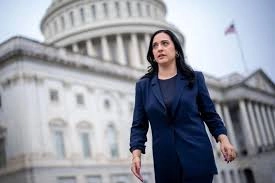
The constitutional debate over war powers has reached a boiling point in Washington as Representative Yassamin Ansari formally moves to impeach Secretary of Defense Pete Hegseth over his role in the Iran conflict, marking one of the most serious challenges to executive military authority in modern American history. The move has ignited a firestorm of debate about the separation of powers, the constitutional authority to wage war, and the accountability of civilian military leadership.
The impeachment effort centers on allegations that Hegseth, in coordination with the Trump administration, conducted military operations against Iran without proper congressional authorization. The Constitution grants Congress the exclusive power to declare war, a provision that has been increasingly circumvented by successive administrations through broad interpretations of existing authorizations and the president's authority as commander-in-chief. Ansari's move represents a direct challenge to this expansion of executive power.
"Secretary Hegseth has repeatedly violated his oath of office and his duty to the Constitution," Ansari stated in her announcement. "The American people deserve leaders who respect the rule of law and the constitutional separation of powers. When cabinet officials exceed their authority and endanger American lives without proper authorization, they must be held accountable."
The specific charges against Hegseth are expected to focus on several key areas. First, the conduct of military strikes against Iranian targets without a congressional declaration of war or specific authorization. Second, the threat to attack civilian infrastructure, including bridges and power plants, which critics argue would constitute war crimes. Third, the overall management of the Pentagon during a period of international crisis, which some argue has been marked by poor judgment and reckless decision-making.
The constitutional questions raised by this impeachment effort are profound and go to the heart of American democracy. The Founding Fathers, having experienced the dangers of unchecked executive power under the British monarchy, deliberately divided the war-making authority between the executive and legislative branches. The president was designated as commander-in-chief to ensure civilian control of the military and swift response to threats, but Congress was given the power to declare war to prevent the executive from unilaterally committing the nation to prolonged conflicts.
Over the decades, this constitutional framework has been tested repeatedly. From Korea to Vietnam to the Gulf War to the post-9/11 conflicts, presidents have found ways to conduct military operations without formal declarations of war. The 2001 and 2002 Authorizations for Use of Military Force (AUMFs) have been stretched to cover operations far beyond their original intent, leading to what critics describe as "forever wars" conducted without meaningful congressional oversight.
The Iran conflict has brought these tensions to a breaking point. The speed with which the crisis escalated, the severity of the military actions taken, and the threats made against civilian targets have all raised urgent questions about who has the authority to make these decisions and what constraints exist on executive power. The impeachment push against Hegseth is an attempt to force a reckoning with these fundamental constitutional questions.
The political context of this effort is complex. With Republicans controlling Congress, the likelihood of successful impeachment is low. However, supporters argue that the move is important regardless of its prospects for success. By filing articles of impeachment, they hope to draw attention to the constitutional issues at stake and create a historical record of opposition to what they see as executive overreach.
The reaction from the Pentagon and the administration has been predictably critical. Officials argue that the military actions were conducted within the bounds of existing authorizations and the president's constitutional authority. They point to the immediate threats posed by Iran and the need for swift action to protect American interests and personnel. The suggestion that these actions were illegal or unconstitutional is dismissed as political posturing by opponents of the administration.
Legal scholars are divided on the merits of the impeachment case. Some argue that the constitutional violations are clear and that Hegseth's actions represent a dangerous expansion of executive power that must be checked. Others contend that the legal issues are more nuanced and that the impeachment process is an inappropriate tool for resolving disputes over war powers. The debate reflects the broader uncertainty about the constitutional framework for military action in the modern era.
As this constitutional crisis unfolds, the implications extend far beyond the fate of one cabinet secretary. The outcome will shape the balance of power between the executive and legislative branches for generations to come, determining whether Congress can reclaim its constitutional role in matters of war and peace or whether the expansion of executive authority will continue unchecked.
The impeachment effort centers on allegations that Hegseth, in coordination with the Trump administration, conducted military operations against Iran without proper congressional authorization. The Constitution grants Congress the exclusive power to declare war, a provision that has been increasingly circumvented by successive administrations through broad interpretations of existing authorizations and the president's authority as commander-in-chief. Ansari's move represents a direct challenge to this expansion of executive power.
"Secretary Hegseth has repeatedly violated his oath of office and his duty to the Constitution," Ansari stated in her announcement. "The American people deserve leaders who respect the rule of law and the constitutional separation of powers. When cabinet officials exceed their authority and endanger American lives without proper authorization, they must be held accountable."
The specific charges against Hegseth are expected to focus on several key areas. First, the conduct of military strikes against Iranian targets without a congressional declaration of war or specific authorization. Second, the threat to attack civilian infrastructure, including bridges and power plants, which critics argue would constitute war crimes. Third, the overall management of the Pentagon during a period of international crisis, which some argue has been marked by poor judgment and reckless decision-making.
The constitutional questions raised by this impeachment effort are profound and go to the heart of American democracy. The Founding Fathers, having experienced the dangers of unchecked executive power under the British monarchy, deliberately divided the war-making authority between the executive and legislative branches. The president was designated as commander-in-chief to ensure civilian control of the military and swift response to threats, but Congress was given the power to declare war to prevent the executive from unilaterally committing the nation to prolonged conflicts.
Over the decades, this constitutional framework has been tested repeatedly. From Korea to Vietnam to the Gulf War to the post-9/11 conflicts, presidents have found ways to conduct military operations without formal declarations of war. The 2001 and 2002 Authorizations for Use of Military Force (AUMFs) have been stretched to cover operations far beyond their original intent, leading to what critics describe as "forever wars" conducted without meaningful congressional oversight.
The Iran conflict has brought these tensions to a breaking point. The speed with which the crisis escalated, the severity of the military actions taken, and the threats made against civilian targets have all raised urgent questions about who has the authority to make these decisions and what constraints exist on executive power. The impeachment push against Hegseth is an attempt to force a reckoning with these fundamental constitutional questions.
The political context of this effort is complex. With Republicans controlling Congress, the likelihood of successful impeachment is low. However, supporters argue that the move is important regardless of its prospects for success. By filing articles of impeachment, they hope to draw attention to the constitutional issues at stake and create a historical record of opposition to what they see as executive overreach.
The reaction from the Pentagon and the administration has been predictably critical. Officials argue that the military actions were conducted within the bounds of existing authorizations and the president's constitutional authority. They point to the immediate threats posed by Iran and the need for swift action to protect American interests and personnel. The suggestion that these actions were illegal or unconstitutional is dismissed as political posturing by opponents of the administration.
Legal scholars are divided on the merits of the impeachment case. Some argue that the constitutional violations are clear and that Hegseth's actions represent a dangerous expansion of executive power that must be checked. Others contend that the legal issues are more nuanced and that the impeachment process is an inappropriate tool for resolving disputes over war powers. The debate reflects the broader uncertainty about the constitutional framework for military action in the modern era.
As this constitutional crisis unfolds, the implications extend far beyond the fate of one cabinet secretary. The outcome will shape the balance of power between the executive and legislative branches for generations to come, determining whether Congress can reclaim its constitutional role in matters of war and peace or whether the expansion of executive authority will continue unchecked.