politics
80° Trending
CONSTITUTIONAL CRISIS: Democrats Demand Trump's Removal Over Iran Threats - But Is It Realistic?
📅 2026-04-08
⏱️ 5 min read
ID: 58
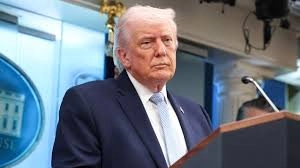
A constitutional showdown is brewing in Washington as dozens of Democrats in Congress demand that Republicans take action to remove President Donald Trump from office following his latest threats against Iran. The calls for impeachment or invocation of the 25th Amendment have intensified in recent days, though at least one Democratic lawmaker has acknowledged that such efforts are "not realistic" given the current political landscape in Washington.
The controversy centers on President Trump's statements regarding potential military action against Iran, including threats that some lawmakers believe exceed his constitutional authority. The Constitution grants Congress the exclusive power to declare war, a provision that has been increasingly circumvented by successive administrations. Critics argue that Trump's rhetoric and potential actions represent a dangerous expansion of executive power that requires immediate congressional response.
The calls for Trump's removal take two primary forms. Some Democrats are advocating for impeachment, arguing that the president's actions constitute high crimes and misdemeanors warranting his removal from office. Others are calling for invocation of the 25th Amendment, a constitutional provision that allows for the removal of a president who is unable to discharge the powers and duties of the office. Both approaches face significant political obstacles.
The impeachment process requires a majority vote in the House of Representatives to approve articles of impeachment, followed by a two-thirds vote in the Senate to convict and remove the president from office. With Republicans holding the majority in both chambers, the prospects for successful impeachment appear remote. Republican lawmakers have largely stood by the president, and party leadership has shown no indication of supporting removal proceedings.
The 25th Amendment approach faces even steeper hurdles. This provision requires the vice president and a majority of the cabinet to declare the president unable to serve, or alternatively, requires a two-thirds vote in both houses of Congress if the president contests such a determination. Given Vice President JD Vance's loyalty to Trump and the Republican control of Congress, this pathway to removal appears equally unlikely.
The acknowledgment by at least one Democratic lawmaker that these efforts are "not realistic" reflects the political reality in Washington. While the constitutional mechanisms for removing a president exist, they require a level of bipartisan support that simply does not exist at this moment. The calls for removal may serve to highlight concerns about presidential conduct, but they are unlikely to result in actual removal from office.
The debate raises important questions about the balance of power between the executive and legislative branches. The Constitution's framers designed a system of checks and balances to prevent any one branch from becoming too powerful. The war powers provisions were specifically intended to ensure that decisions about military conflict involve the representatives of the people, not just the executive. Critics argue that these constitutional principles are being eroded.
For Democrats, the calls for removal serve multiple purposes. They express genuine concern about presidential conduct, draw attention to constitutional issues, and provide a rallying point for the party's base. Even if removal is unlikely, the effort creates a record of opposition and may influence public opinion heading into future elections.
For Republicans, the situation presents a different set of calculations. Supporting the president maintains party unity and pleases the Republican base, but it also means endorsing conduct that some may find concerning. The political costs of breaking with the president are significant, as elected officials who cross Trump have often faced primary challenges and other forms of retaliation.
The broader implications for American democracy are significant. The constitutional mechanisms for checking presidential power were designed for an era of different political dynamics. The current polarization and party loyalty make it difficult for these mechanisms to function as intended. This raises questions about whether the constitutional system is adequate to address modern challenges.
As the debate continues, both parties will be weighing the political and constitutional implications of their positions. The calls for Trump's removal may not be realistic in the current political environment, but they reflect deep concerns about the direction of executive power and the health of American democracy. The resolution of this constitutional crisis will have implications that extend far beyond the current administration.
The controversy centers on President Trump's statements regarding potential military action against Iran, including threats that some lawmakers believe exceed his constitutional authority. The Constitution grants Congress the exclusive power to declare war, a provision that has been increasingly circumvented by successive administrations. Critics argue that Trump's rhetoric and potential actions represent a dangerous expansion of executive power that requires immediate congressional response.
The calls for Trump's removal take two primary forms. Some Democrats are advocating for impeachment, arguing that the president's actions constitute high crimes and misdemeanors warranting his removal from office. Others are calling for invocation of the 25th Amendment, a constitutional provision that allows for the removal of a president who is unable to discharge the powers and duties of the office. Both approaches face significant political obstacles.
The impeachment process requires a majority vote in the House of Representatives to approve articles of impeachment, followed by a two-thirds vote in the Senate to convict and remove the president from office. With Republicans holding the majority in both chambers, the prospects for successful impeachment appear remote. Republican lawmakers have largely stood by the president, and party leadership has shown no indication of supporting removal proceedings.
The 25th Amendment approach faces even steeper hurdles. This provision requires the vice president and a majority of the cabinet to declare the president unable to serve, or alternatively, requires a two-thirds vote in both houses of Congress if the president contests such a determination. Given Vice President JD Vance's loyalty to Trump and the Republican control of Congress, this pathway to removal appears equally unlikely.
The acknowledgment by at least one Democratic lawmaker that these efforts are "not realistic" reflects the political reality in Washington. While the constitutional mechanisms for removing a president exist, they require a level of bipartisan support that simply does not exist at this moment. The calls for removal may serve to highlight concerns about presidential conduct, but they are unlikely to result in actual removal from office.
The debate raises important questions about the balance of power between the executive and legislative branches. The Constitution's framers designed a system of checks and balances to prevent any one branch from becoming too powerful. The war powers provisions were specifically intended to ensure that decisions about military conflict involve the representatives of the people, not just the executive. Critics argue that these constitutional principles are being eroded.
For Democrats, the calls for removal serve multiple purposes. They express genuine concern about presidential conduct, draw attention to constitutional issues, and provide a rallying point for the party's base. Even if removal is unlikely, the effort creates a record of opposition and may influence public opinion heading into future elections.
For Republicans, the situation presents a different set of calculations. Supporting the president maintains party unity and pleases the Republican base, but it also means endorsing conduct that some may find concerning. The political costs of breaking with the president are significant, as elected officials who cross Trump have often faced primary challenges and other forms of retaliation.
The broader implications for American democracy are significant. The constitutional mechanisms for checking presidential power were designed for an era of different political dynamics. The current polarization and party loyalty make it difficult for these mechanisms to function as intended. This raises questions about whether the constitutional system is adequate to address modern challenges.
As the debate continues, both parties will be weighing the political and constitutional implications of their positions. The calls for Trump's removal may not be realistic in the current political environment, but they reflect deep concerns about the direction of executive power and the health of American democracy. The resolution of this constitutional crisis will have implications that extend far beyond the current administration.