politics
80° Trending
ALARM BELLS RINGING: Congressional Democrats Sound The Alarm Over Trump's Iran Threats!
📅 2026-04-08
⏱️ 5 min read
ID: 59
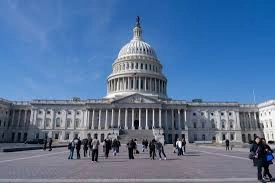
Congressional Democrats are sounding the alarm over President Donald Trump's recent comments and threats regarding Iran, with more than three dozen lawmakers calling for action to address what they see as dangerous presidential conduct. The growing chorus of concern reflects deep anxiety about the direction of American foreign policy and the constitutional implications of the president's rhetoric and potential actions.
The Democratic lawmakers' denunciation of Trump's threats as extreme comes at a time when Congress is officially in recess, with members scattered across the country for previously scheduled district work periods. Despite being away from Washington, the urgency of the situation has prompted Democrats to speak out forcefully, using various platforms to express their concerns and call for accountability.
The specific comments that have sparked this alarm involve Trump's rhetoric about potential military action against Iran, including threats that some lawmakers believe go beyond the bounds of presidential authority. The Constitution grants Congress the exclusive power to declare war, a provision that has been tested repeatedly in the modern era as presidents have conducted military operations without explicit congressional authorization.
The fact that more than three dozen Democrats have called for Trump's removal from office - whether through impeachment or invocation of the 25th Amendment - demonstrates the severity of their concerns. This level of support for such dramatic action is unusual and reflects the depth of anxiety about presidential conduct. While the political prospects for removal are dim given Republican control of Congress, the calls themselves serve as a marker of Democratic opposition.
The timing of these statements is significant. With Congress in recess, there is no immediate mechanism for legislative action. However, the public statements from Democratic lawmakers keep pressure on the administration and ensure that the issue remains in the public consciousness. The recess also provides an opportunity for lawmakers to gauge constituent sentiment and build support for potential future actions.
The substance of the Democratic concerns extends beyond the immediate issue of Iran. Lawmakers are raising broader questions about presidential power, the constitutional framework for military action, and the system of checks and balances that is supposed to constrain executive authority. These concerns touch on fundamental aspects of American governance and have implications that extend beyond any single administration.
The response from Republicans has been largely supportive of the president, reflecting the partisan dynamics that characterize modern Washington. Republican lawmakers have generally defended Trump's conduct and criticized Democratic calls for action as politically motivated. This partisan divide makes it difficult to address the underlying constitutional questions in a meaningful way.
The role of public opinion in this debate is crucial. As Democrats raise alarms about presidential conduct, they are also working to inform and mobilize public sentiment. The hope is that sustained public pressure might eventually influence Republican lawmakers or at least create political consequences for supporting what Democrats see as dangerous presidential behavior.
The international implications of the situation are also significant. America's allies and adversaries are watching closely as the domestic political debate unfolds. The perception of presidential instability or constitutional crisis can affect international relations and influence how other countries approach their dealings with the United States.
For the Democratic Party, the situation presents both opportunities and challenges. The ability to highlight concerns about presidential conduct energizes the party's base and provides a clear contrast with Republicans. However, the calls for removal that are unlikely to succeed may also frustrate activists who want more concrete action.
As the situation continues to develop, Congressional Democrats will need to decide how to proceed when they return to Washington. The alarm they have raised sets the stage for potential legislative action, hearings, or other forms of oversight. The coming weeks will reveal whether their concerns translate into meaningful congressional response or remain largely rhetorical.
The broader question of how to address presidential conduct that some see as dangerous or unconstitutional remains unresolved. The constitutional mechanisms for checking presidential power were designed for a different political era, and their effectiveness in the current polarized environment is uncertain. The current situation with Iran and Trump's rhetoric is just the latest test of whether those mechanisms can function as intended.
The Democratic lawmakers' denunciation of Trump's threats as extreme comes at a time when Congress is officially in recess, with members scattered across the country for previously scheduled district work periods. Despite being away from Washington, the urgency of the situation has prompted Democrats to speak out forcefully, using various platforms to express their concerns and call for accountability.
The specific comments that have sparked this alarm involve Trump's rhetoric about potential military action against Iran, including threats that some lawmakers believe go beyond the bounds of presidential authority. The Constitution grants Congress the exclusive power to declare war, a provision that has been tested repeatedly in the modern era as presidents have conducted military operations without explicit congressional authorization.
The fact that more than three dozen Democrats have called for Trump's removal from office - whether through impeachment or invocation of the 25th Amendment - demonstrates the severity of their concerns. This level of support for such dramatic action is unusual and reflects the depth of anxiety about presidential conduct. While the political prospects for removal are dim given Republican control of Congress, the calls themselves serve as a marker of Democratic opposition.
The timing of these statements is significant. With Congress in recess, there is no immediate mechanism for legislative action. However, the public statements from Democratic lawmakers keep pressure on the administration and ensure that the issue remains in the public consciousness. The recess also provides an opportunity for lawmakers to gauge constituent sentiment and build support for potential future actions.
The substance of the Democratic concerns extends beyond the immediate issue of Iran. Lawmakers are raising broader questions about presidential power, the constitutional framework for military action, and the system of checks and balances that is supposed to constrain executive authority. These concerns touch on fundamental aspects of American governance and have implications that extend beyond any single administration.
The response from Republicans has been largely supportive of the president, reflecting the partisan dynamics that characterize modern Washington. Republican lawmakers have generally defended Trump's conduct and criticized Democratic calls for action as politically motivated. This partisan divide makes it difficult to address the underlying constitutional questions in a meaningful way.
The role of public opinion in this debate is crucial. As Democrats raise alarms about presidential conduct, they are also working to inform and mobilize public sentiment. The hope is that sustained public pressure might eventually influence Republican lawmakers or at least create political consequences for supporting what Democrats see as dangerous presidential behavior.
The international implications of the situation are also significant. America's allies and adversaries are watching closely as the domestic political debate unfolds. The perception of presidential instability or constitutional crisis can affect international relations and influence how other countries approach their dealings with the United States.
For the Democratic Party, the situation presents both opportunities and challenges. The ability to highlight concerns about presidential conduct energizes the party's base and provides a clear contrast with Republicans. However, the calls for removal that are unlikely to succeed may also frustrate activists who want more concrete action.
As the situation continues to develop, Congressional Democrats will need to decide how to proceed when they return to Washington. The alarm they have raised sets the stage for potential legislative action, hearings, or other forms of oversight. The coming weeks will reveal whether their concerns translate into meaningful congressional response or remain largely rhetorical.
The broader question of how to address presidential conduct that some see as dangerous or unconstitutional remains unresolved. The constitutional mechanisms for checking presidential power were designed for a different political era, and their effectiveness in the current polarized environment is uncertain. The current situation with Iran and Trump's rhetoric is just the latest test of whether those mechanisms can function as intended.