tech
80° Trending
I'M NOT LEAVING: Army Secretary Dan Driscoll Defies Hegseth Amid Pentagon Power Struggle!
📅 2026-04-08
⏱️ 5 min read
ID: 73
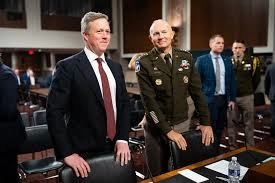
Army Secretary Dan Driscoll has made it clear that he has no plans to resign or leave his Pentagon post, releasing a defiant statement to the Washington Post on Tuesday following a series of internal clashes with Defense Secretary Pete Hegseth that have raised questions about the stability of the Pentagon's civilian leadership. The public statement represents an unusual move for a senior military official and underscores the seriousness of the conflict at the highest levels of the Department of Defense.
The clashes between Driscoll and Hegseth have become a matter of significant concern for other U.S. officials, who have begun to question how long the two can coexist in their respective positions. The tension between the Army Secretary and the Defense Secretary reflects deeper disagreements about policy, personnel, and the direction of the military during a period of significant international challenges.
The specific nature of the disagreements between Driscoll and Hegseth has not been fully disclosed, but the fact that the conflict has become public suggests serious and substantive differences. In normal times, disagreements between senior Pentagon officials are handled privately, with the goal of reaching consensus or at least maintaining a unified public front. The decision by Driscoll to publicly declare his intention to stay suggests that the situation has deteriorated beyond the point of private resolution.
For the Pentagon, the public conflict between two of its top civilian leaders creates uncertainty and distraction at a time when the military is facing numerous challenges. From the ongoing situation with Iran to various global hotspots requiring American military attention, the Department of Defense needs focused, unified leadership. The public spat between Hegseth and Driscoll threatens to undermine that focus and create confusion about the chain of command and decision-making processes.
The statement from Driscoll is particularly notable for its directness. By telling the Washington Post that he has no plans to resign, Driscoll is essentially daring Hegseth or the White House to fire him. This is an unusual position for a subordinate to take, as most officials in similar situations would either resign quietly or wait to be dismissed. Driscoll's decision to publicly stake out his position suggests that he believes he has support from other quarters or that his departure would create problems for the administration.
The broader implications for civil-military relations are significant. The Pentagon's civilian leadership is supposed to provide oversight and direction for the military, but internal conflicts among civilian leaders can create confusion and undermine the effectiveness of that oversight. Military officers watching the public dispute may wonder about the stability and coherence of the civilian leadership they are supposed to follow.
For the White House, the situation presents a management challenge. President Trump will need to decide whether to support his Defense Secretary in any personnel decisions or whether to intervene to mediate the conflict. The decision will have implications for the president's relationship with both Hegseth and Driscoll, as well as for the broader functioning of the Pentagon.
The timing of the conflict is particularly challenging given the international situation. With tensions involving Iran and other global challenges, the Pentagon needs stable, focused leadership. The public conflict between two of its top officials creates uncertainty at a time when clarity and decisiveness are essential.
For Congress, the situation raises oversight questions. The Senate Armed Services Committee, which confirmed both Hegseth and Driscoll, may want to understand the nature of the conflict and its implications for military effectiveness. Congressional involvement could add another layer of complexity to an already difficult situation.
As the situation continues to develop, observers will be watching closely to see whether the conflict can be resolved or whether it will escalate further. Driscoll's public statement suggests that he is prepared for a fight, and the outcome will have significant implications for the Pentagon and the military it leads.
The clashes between Driscoll and Hegseth have become a matter of significant concern for other U.S. officials, who have begun to question how long the two can coexist in their respective positions. The tension between the Army Secretary and the Defense Secretary reflects deeper disagreements about policy, personnel, and the direction of the military during a period of significant international challenges.
The specific nature of the disagreements between Driscoll and Hegseth has not been fully disclosed, but the fact that the conflict has become public suggests serious and substantive differences. In normal times, disagreements between senior Pentagon officials are handled privately, with the goal of reaching consensus or at least maintaining a unified public front. The decision by Driscoll to publicly declare his intention to stay suggests that the situation has deteriorated beyond the point of private resolution.
For the Pentagon, the public conflict between two of its top civilian leaders creates uncertainty and distraction at a time when the military is facing numerous challenges. From the ongoing situation with Iran to various global hotspots requiring American military attention, the Department of Defense needs focused, unified leadership. The public spat between Hegseth and Driscoll threatens to undermine that focus and create confusion about the chain of command and decision-making processes.
The statement from Driscoll is particularly notable for its directness. By telling the Washington Post that he has no plans to resign, Driscoll is essentially daring Hegseth or the White House to fire him. This is an unusual position for a subordinate to take, as most officials in similar situations would either resign quietly or wait to be dismissed. Driscoll's decision to publicly stake out his position suggests that he believes he has support from other quarters or that his departure would create problems for the administration.
The broader implications for civil-military relations are significant. The Pentagon's civilian leadership is supposed to provide oversight and direction for the military, but internal conflicts among civilian leaders can create confusion and undermine the effectiveness of that oversight. Military officers watching the public dispute may wonder about the stability and coherence of the civilian leadership they are supposed to follow.
For the White House, the situation presents a management challenge. President Trump will need to decide whether to support his Defense Secretary in any personnel decisions or whether to intervene to mediate the conflict. The decision will have implications for the president's relationship with both Hegseth and Driscoll, as well as for the broader functioning of the Pentagon.
The timing of the conflict is particularly challenging given the international situation. With tensions involving Iran and other global challenges, the Pentagon needs stable, focused leadership. The public conflict between two of its top officials creates uncertainty at a time when clarity and decisiveness are essential.
For Congress, the situation raises oversight questions. The Senate Armed Services Committee, which confirmed both Hegseth and Driscoll, may want to understand the nature of the conflict and its implications for military effectiveness. Congressional involvement could add another layer of complexity to an already difficult situation.
As the situation continues to develop, observers will be watching closely to see whether the conflict can be resolved or whether it will escalate further. Driscoll's public statement suggests that he is prepared for a fight, and the outcome will have significant implications for the Pentagon and the military it leads.