tech
80° Trending
SHOCKING PURGE: Hegseth Plots To Fire Army Secretary To Install Loyal Ally In Pentagon Power Grab!
📅 2026-04-08
⏱️ 5 min read
ID: 75
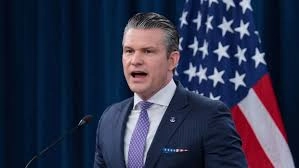
Defense Secretary Pete Hegseth is actively planning to fire Army Secretary Dan Driscoll in what appears to be a move to consolidate power and install a loyal ally in a key Pentagon position. The potential firing, which could open the Army Secretary position to Hegseth spokesman and close ally Sean Parnell, represents a significant escalation in the ongoing power struggle at the highest levels of the Department of Defense.
The reported plan to remove Driscoll comes on the heels of Hegseth's firing of Army Chief of Staff Gen. Randy George on Thursday, a move that sent shockwaves through the Pentagon and raised questions about the Defense Secretary's approach to personnel management. The back-to-back personnel actions suggest a systematic effort to reshape the Army's leadership with individuals more closely aligned with Hegseth's vision and approach.
The potential installation of Sean Parnell as Army Secretary would represent a significant departure from traditional practice. Parnell, currently serving as Hegseth's spokesman, is described as a close ally, suggesting that his relationship with the Defense Secretary is more personal than professional. The appointment of a close ally to such a senior position would raise questions about the independence of the Army's civilian leadership and the health of civil-military relations.
The firing of Gen. Randy George as Army Chief of Staff was particularly notable given the general's distinguished career and the traditional respect accorded to senior military officers. The reasons for George's dismissal have not been fully disclosed, but the action signals that Hegseth is willing to take aggressive personnel actions against even the most senior and respected military leaders. This approach has created anxiety throughout the officer corps about job security and the value of distinguished service.
For the Pentagon's career professionals, the personnel actions create an atmosphere of uncertainty and fear. When senior leaders are dismissed abruptly, it sends a message that no one's position is secure and that loyalty to the Defense Secretary may be valued more highly than competence, experience, or distinguished service. This dynamic can lead to a culture of caution and risk-aversion, as career professionals focus on avoiding controversy rather than providing their best advice.
The broader implications for national security are concerning. The Army is the largest branch of the military, with responsibility for ground operations around the world. Effective leadership of the Army requires individuals with deep experience, sound judgment, and the ability to work collaboratively with other military leaders and civilian officials. Personnel decisions driven by personal loyalty rather than professional qualification could undermine the effectiveness of the Army at a critical time.
The relationship between Hegseth and the White House in these personnel decisions is not entirely clear. Has President Trump approved these actions, or is Hegseth acting with significant autonomy? The answer to this question has implications for understanding the broader dynamics of the administration's approach to national security leadership.
For Congress, the personnel actions raise oversight concerns. The Senate confirms senior Pentagon officials, including the Army Secretary, and has a legitimate interest in ensuring that these positions are filled by qualified individuals. If Hegseth is systematically removing confirmed officials to install loyal allies, it may prompt congressional scrutiny and potential intervention.
The timing of these personnel actions is particularly notable given the international challenges facing the United States. With tensions involving Iran and other global hotspots, the military needs stable, experienced leadership focused on national security challenges rather than internal politics. The distraction of personnel purges and power struggles could undermine the effectiveness of the military at a critical moment.
As the situation continues to develop, observers will be watching to see whether Hegseth follows through on the reported plan to fire Driscoll and install Parnell. The outcome will have significant implications for the Pentagon, the military, and the national security of the United States. For now, the reported personnel actions suggest a Pentagon in turmoil, with leadership focused on internal power dynamics rather than the external challenges facing the nation.
The reported plan to remove Driscoll comes on the heels of Hegseth's firing of Army Chief of Staff Gen. Randy George on Thursday, a move that sent shockwaves through the Pentagon and raised questions about the Defense Secretary's approach to personnel management. The back-to-back personnel actions suggest a systematic effort to reshape the Army's leadership with individuals more closely aligned with Hegseth's vision and approach.
The potential installation of Sean Parnell as Army Secretary would represent a significant departure from traditional practice. Parnell, currently serving as Hegseth's spokesman, is described as a close ally, suggesting that his relationship with the Defense Secretary is more personal than professional. The appointment of a close ally to such a senior position would raise questions about the independence of the Army's civilian leadership and the health of civil-military relations.
The firing of Gen. Randy George as Army Chief of Staff was particularly notable given the general's distinguished career and the traditional respect accorded to senior military officers. The reasons for George's dismissal have not been fully disclosed, but the action signals that Hegseth is willing to take aggressive personnel actions against even the most senior and respected military leaders. This approach has created anxiety throughout the officer corps about job security and the value of distinguished service.
For the Pentagon's career professionals, the personnel actions create an atmosphere of uncertainty and fear. When senior leaders are dismissed abruptly, it sends a message that no one's position is secure and that loyalty to the Defense Secretary may be valued more highly than competence, experience, or distinguished service. This dynamic can lead to a culture of caution and risk-aversion, as career professionals focus on avoiding controversy rather than providing their best advice.
The broader implications for national security are concerning. The Army is the largest branch of the military, with responsibility for ground operations around the world. Effective leadership of the Army requires individuals with deep experience, sound judgment, and the ability to work collaboratively with other military leaders and civilian officials. Personnel decisions driven by personal loyalty rather than professional qualification could undermine the effectiveness of the Army at a critical time.
The relationship between Hegseth and the White House in these personnel decisions is not entirely clear. Has President Trump approved these actions, or is Hegseth acting with significant autonomy? The answer to this question has implications for understanding the broader dynamics of the administration's approach to national security leadership.
For Congress, the personnel actions raise oversight concerns. The Senate confirms senior Pentagon officials, including the Army Secretary, and has a legitimate interest in ensuring that these positions are filled by qualified individuals. If Hegseth is systematically removing confirmed officials to install loyal allies, it may prompt congressional scrutiny and potential intervention.
The timing of these personnel actions is particularly notable given the international challenges facing the United States. With tensions involving Iran and other global hotspots, the military needs stable, experienced leadership focused on national security challenges rather than internal politics. The distraction of personnel purges and power struggles could undermine the effectiveness of the military at a critical moment.
As the situation continues to develop, observers will be watching to see whether Hegseth follows through on the reported plan to fire Driscoll and install Parnell. The outcome will have significant implications for the Pentagon, the military, and the national security of the United States. For now, the reported personnel actions suggest a Pentagon in turmoil, with leadership focused on internal power dynamics rather than the external challenges facing the nation.